Working with Breccia Stone
By Fred Hueston
A Guide for Stone Restoration Contractors: Breccia has been used in architecture for centuries, from Roman temples to today’s high-end hotels. But if you’re a stone restoration contractor, this eye-catching material can also bring some unique challenges. Let’s break down what breccia is, how to identify it, and what you need to know before you start grinding, polishing, or sealing.
What is Breccia?
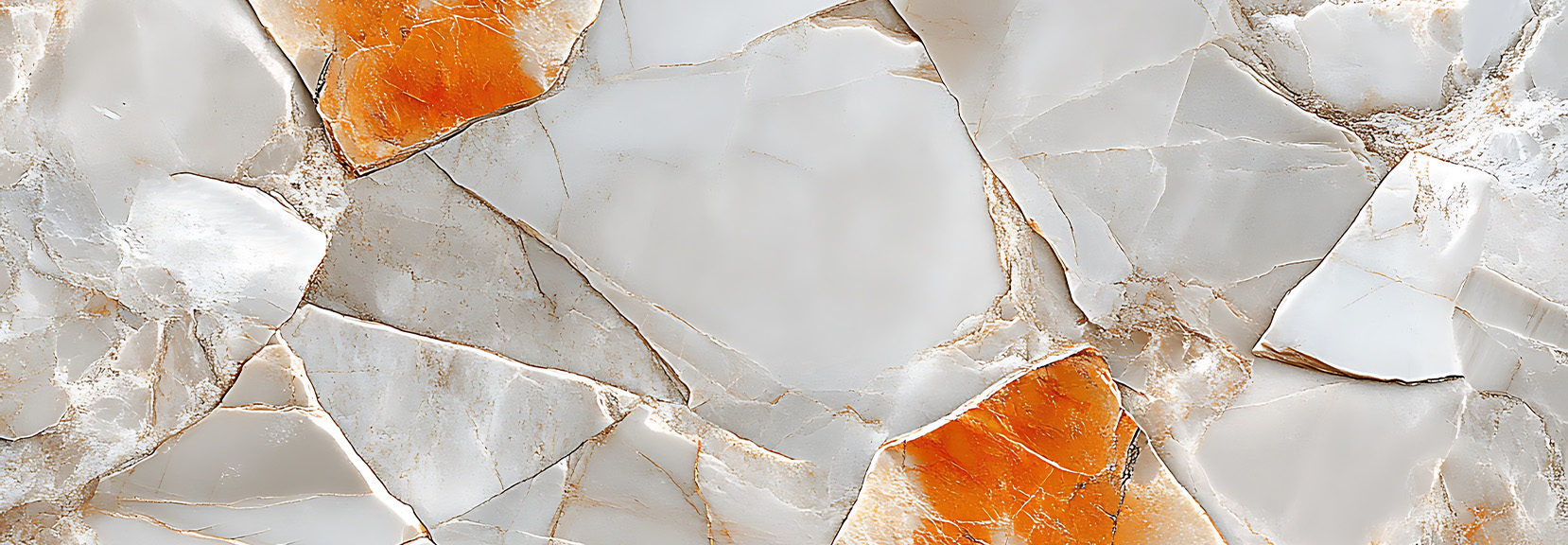
The term ‘breccia’ comes from the Italian word for ‘broken stones’—a fitting name. Geologically, breccia is made up of angular rock fragments (called clasts) cemented together by a finer matrix. These fragments can be anything: marble, quartzite, limestone, even other breccias. What makes breccia stand out is that its pieces are angular, not rounded like in a conglomerate, meaning they didn’t travel far before being cemented together.
Types of breccia you might come across include:
- Sedimentary breccias – formed by landslides or weathering.
- Tectonic breccias – crushed during earthquakes or fault movements.
- Hydrothermal breccias – made by pressurized fluids underground.
- Impact breccias – yes, even meteor impacts can form breccia.
Most decorative breccias are marble-based and held together with calcite or dolomite, so you’ll run into the same etching, staining, and fragility issues as you would with marble.
Working With Breccia
To us in the field, breccia usually shows up as a decorative marble loaded with colorful fragments—reds, creams, blacks, even pinks—sitting in a contrasting matrix. It’s popular in vanities, bath surrounds, wall cladding, and occasionally floors (though flooring breccias tend to be a headache due to cracking and wear inconsistencies).
One of the biggest challenges is that the different clasts and the matrix react differently during restoration. Some parts might polish easily; others dull out or even etch under the same process. You’ll often have to adjust your polishing or chemical process mid-job.
Breccia can also be fragile. Many slabs are resin-filled or backed with mesh. Overheating or going too aggressive can pull out fillers, pop off clasts, or create uneven results.
How to Identify Breccia in the Field
- Look: It often looks like a jigsaw puzzle of different stones, all angular—not rounded.
- Color: You’ll usually see a wild range of colors in one slab, with clear fracture lines between fragments.
- Matrix: A finer material binds everything together. This often etches faster than the fragments.
- Etching Patterns: You’ll notice uneven etching or wear if it’s been used on a floor.
- Test Spots: A small water or acid drop can help show porosity or softness—but only test in a hidden area.
Restoration Tips
- Go easy: Start with a conservative honing method. Breccia can dish out fast.
- Use flexible pads: Resin-bonded diamonds are better than metal pads for dealing with varying hardness.
- Watch your heat: Resin-filled breccias can break down with too much heat or harsh chemicals.
- Seal it: Always seal breccia after restoration. The matrix is usually porous.
- Crack repairs: Low-viscosity epoxy works well for filling fractures and bringing stability back.
Breccia is dramatic and full of character—but it takes skill to restore properly. Get to know the stone before you dive in. The better you understand its geology, the better your results. And when in doubt, slow down, test small, and don’t be afraid to switch up your process mid-job.