Water vs. Solvent Impregnators for Stone PROS
By Frederick M. Hueston
What Is an Impregnator?
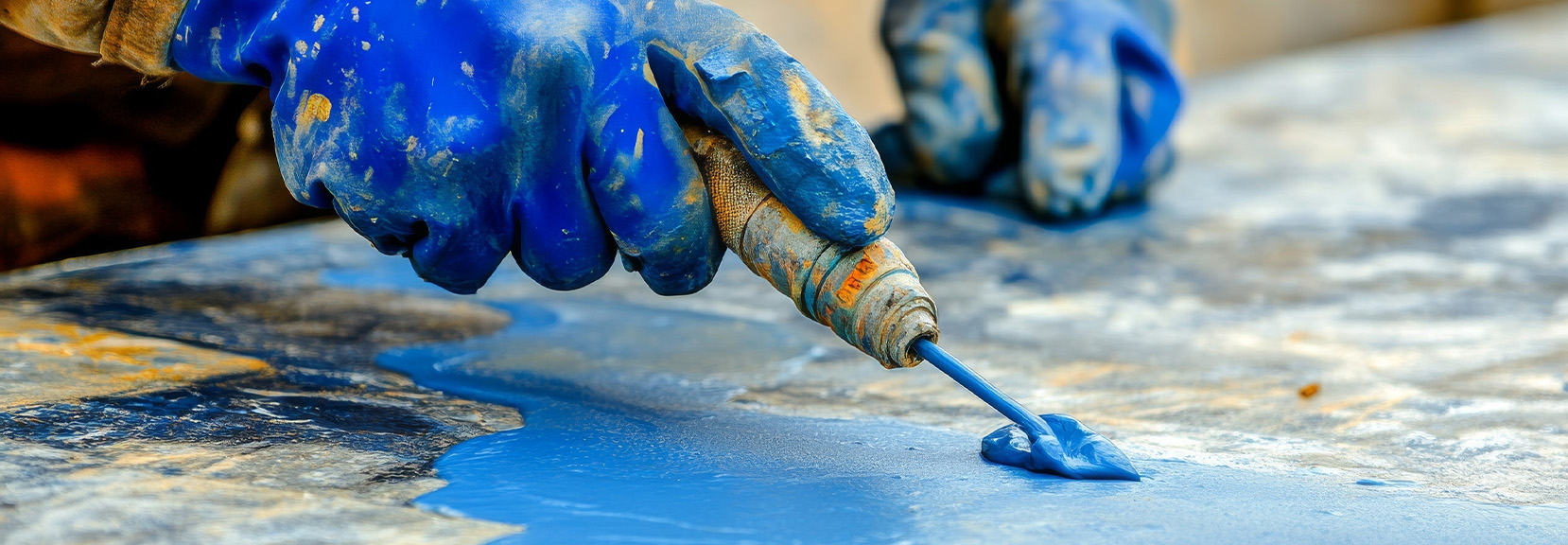
Before we dive into the differences, let’s make sure we’re on the same page about what we’re talking about. Impregnators, sometimes just called penetrating sealers, are designed to soak into the pores of stone, grout, or concrete. Once inside, they create a barrier that helps keep water, oil, and other contaminants from soaking in and staining the material.
Unlike topical coatings, impregnators don’t leave a film on the surface (or at least they shouldn’t if applied correctly). The goal is to protect while leaving the stone looking as natural as possible.
Water-Based Impregnators
Water-based impregnators use water as the carrier that delivers the active ingredients (resins or fluorochemicals) into the stone.
Advantages:
- Low Odor: They have little to no smell, which makes them ideal for indoor jobs, restaurants, hospitals, or anywhere ventilation is limited.
- Environmentally Friendly: Many are low-VOC and meet strict environmental regulations, which can be important for commercial jobs.
- Easy Cleanup: You can usually clean tools and spills with soap and water.
- Good for Damp Surfaces: Some water-based sealers can be applied to slightly damp stone because water is the carrier, making them more forgiving after cleaning.
Limitations:
- Smaller Molecule Size Matters: Water molecules are larger than most solvents, so water-based impregnators may not penetrate as deeply, especially on very dense stones like granite or quartzite.
- Slower Drying: They usually take longer to cure and might require more coats to achieve the same level of protection on certain surfaces.
- Appearance: While most are designed to leave a natural finish, some water-based products can slightly lighten or dull the appearance of very dark stones.
Solvent-Based Impregnators
Solvent-based impregnators use mineral spirits, xylene, or other solvents as the carrier.
Advantages:
- Deep Penetration: Solvents are very good at getting into tight pores, which makes them particularly effective on dense stones like granite, basalt, or polished marble.
- Durability: Many solvent-based products last longer between reapplications, which can be a selling point for commercial clients.
- Consistent Appearance: They usually don’t change the look of the stone (unless they’re also enhancers, which darken color intentionally).
Limitations:
- Odor and VOCs: Strong smells can linger during application, and some products are high in VOCs. You’ll need good ventilation and possibly respirators.
- Flammability: Since they use solvents, they’re flammable — something to keep in mind if you’re working in sensitive environments.
- Environmental Restrictions: Some states (like California) have restrictions on certain solvent-based products.
Choosing the Right Product
So, which should you use? Here are a few guidelines:
- For very dense stone (granite, quartzite): A solvent-based impregnator will usually perform better because it can penetrate deeper.
- For interior jobs with poor ventilation: A water-based product may be safer and more comfortable to apply.
- For LEED projects or environmentally sensitive jobs: Look for water-based, low-VOC products to stay compliant.
- For speed: Solvent-based impregnators generally dry faster, which can be handy on quick-turnaround projects.
Application Tips
- Always test in an inconspicuous area before sealing the entire surface.
- Make sure the stone is clean and dry (unless you’re using a water-based product approved for damp application).
- Don’t overapply — more is not always better. Wipe off excess before it dries on the surface.
- Educate your clients about reapplication intervals. Even the best impregnators eventually wear off.
Final Takeaway
Both water-based and solvent-based impregnators have their place in your toolkit. It’s not about one being better than the other, it’s about using the right one for the right stone and situation. The more you understand how each works, the better results you can deliver, and the more your clients will trust you as the go-to pro for keeping their stone surfaces looking beautiful.