When Microbes Eat Stone: Biodeterioration
By Frederick M. Hueston
A large portion of the world’s cultural heritage is carved, built, or sculpted from stone, and sadly, it’s slowly disappearing. Over time, nature reclaims even the hardest materials. Studies show that in temperate climates, limestone can erode about 1.5 to 3 millimeters every hundred years. That may not sound like much, but it’s enough to eventually erase carvings and inscriptions that were meant to last forever.
This transformation of rock into sand and soil is a natural recycling process, vital for life on Earth. Still, when that process eats away at monuments and sculptures, it represents an irreversible loss of history.
Stone Types and Their Vulnerability
For thousands of years, artists and builders have used a variety of stones. The calcareous group includes marble and limestone, while the siliceous group covers granite and sandstone. These stones differ in hardness, porosity, and chemical makeup, and those differences determine how vulnerable they are to microbial colonization.
There’s plenty of overlap too. Stones like calcareous sandstone or siliceous limestone fall between the two main types. Add in mortars, plasters, and stuccos, materials that often contain organic ingredients, and you get even more variation. These man-made materials, and even modern concrete, are highly prone to microbial attack.
Microbial Colonization and Stone Decay
When microorganisms damage stone, the process is called biodeterioration. Research summarized by Scheerer, Ortega-Morales, and Gaylarde (2009) in Microbial Deterioration of Stone Monuments – An Updated Overview highlights how bacteria, fungi, algae, cyanobacteria, and lichens can colonize stone surfaces. Once they take hold, they form biofilms that trap moisture, secrete acids, and slowly alter the stone’s surface chemistry and structure.
Environmental conditions play a major role. Warm, humid climates with air pollution or salt exposure give microorganisms the perfect setting to thrive. Different stone types respond differently, depending on their porosity and mineral composition, but none are completely immune.
How Microbes Damage Stone
The review by Scheerer and colleagues identifies several ways microbes contribute to stone decay:
- Chemical attack: Microbes produce organic acids and chelating agents that dissolve minerals in the stone.
- Moisture retention: Biofilms trap water, which speeds up both chemical and physical weathering.
- Mechanical stress: Growth within pores and microcracks can widen them over time.
- Surface alteration: Pigments and by-products change the color and texture of the stone.
In short, microbes don’t work alone, they combine with natural weathering, pollution, and humidity to accelerate deterioration.
Implications for Restoration Professionals
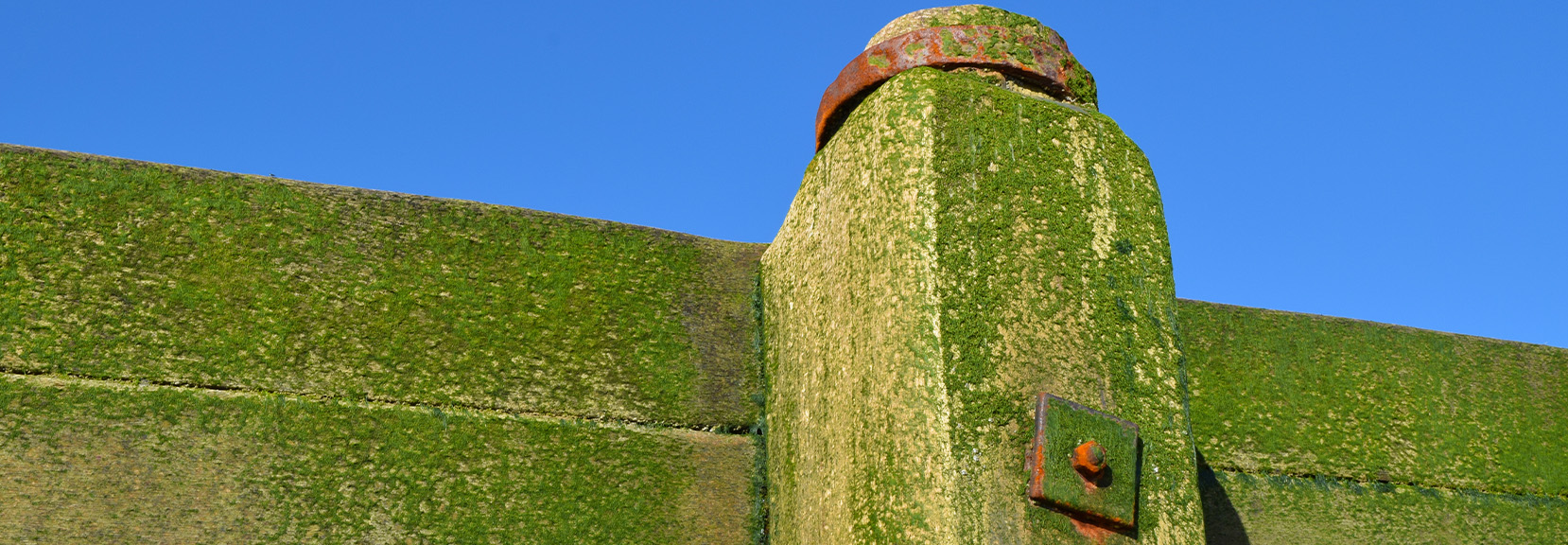
For those of us in stone restoration, this isn’t just academic, it’s real-world stuff. Understanding biodeterioration helps us spot early warning signs and prevent long-term damage. If a surface shows green streaks, discoloration, or a slimy texture, it’s probably not just dirt. It’s a living biofilm made up of bacteria, fungi, and algae.
Here’s what we can do:
- Keep surfaces clean and dry whenever possible.
- Use breathable impregnating sealers to reduce moisture absorption.
- Avoid harsh acids or bleach, which can harm the stone and make microbial regrowth worse.
- Encourage proper ventilation, especially in humid environments like showers or fountains.
Final Perspective
Stone may look permanent, but it’s far from indestructible. The same life processes that recycle rock into soil can also erase human history, one layer at a time. For restoration pros, the goal isn’t to stop nature, it’s to slow it down.
Understanding the microbial side of stone decay, as detailed in the Scheerer et al. review, gives us the tools to protect what’s left. Whether it’s a marble statue or a granite floor, every stone surface tells a story worth preserving.