Cantera Stone and Water: What Stone Pros Need to Know
By Frederick M. Hueston
If you work with Cantera stone, you already know it’s a beautiful material with a unique, earthy look that’s perfect for fountains, columns, pool coping, and architectural details. But here’s the thing most installers and homeowners don’t realize until it’s too late: Cantera and water don’t always get along.
Why Cantera Struggles with Water
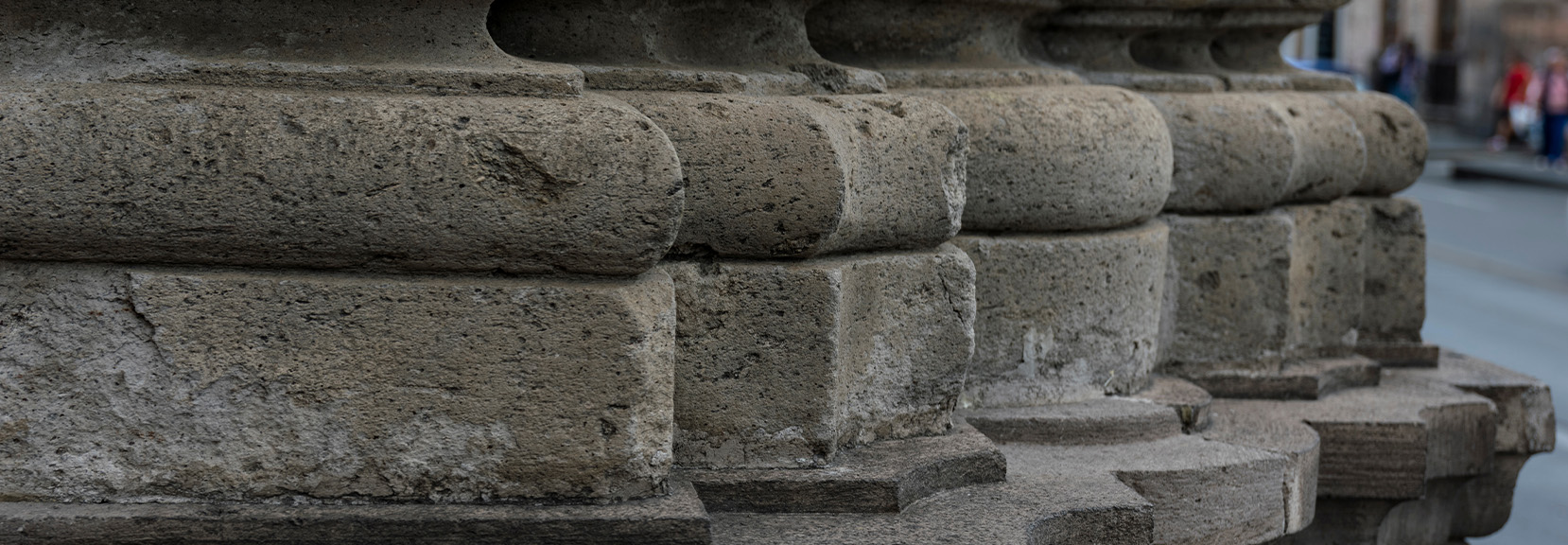
Cantera stone is a soft, porous volcanic stone. Unlike granite or dense limestone, Cantera has a relatively low compressive strength and an open pore structure. That means water doesn’t just sit on the surface—it soaks in.
When this happens over and over, especially in areas with constant splash or standing water, you start seeing:
- Flaking and surface erosion – the outer layer slowly wears away
- Crumbling edges – particularly around pool coping and steps
- Pitting and rough spots – water dissolves softer minerals, leaving holes
- Efflorescence and mineral deposits – white salts or stains on the surface
Add chemicals like chlorine or salts from hard water, and the deterioration speeds up. These minerals can crystallize inside the stone as it dries, putting pressure on the stone’s structure and causing more spalling and flaking.
How to Protect and Strengthen Cantera
If you’re installing or maintaining Cantera in wet areas, you can make a big difference in how long it lasts by combining good installation practices with the right treatments.
- Apply a Breathable Impregnating Sealer
Sealers won’t make Cantera waterproof, but they slow down water absorption and keep staining minerals from penetrating deep into the stone. Always use a breathable sealer so moisture can still escape. - Consider a Densifier or Consolidant
In some cases, applying a stone densifier or consolidant before sealing can help strengthen the surface by bonding loose particles and increasing abrasion resistance. This is especially helpful on very soft Cantera that tends to shed grains when exposed to water. Make sure to use a product that’s compatible with volcanic stone and follow cure times carefully before applying a sealer.
- Maintain Regularly
Clean the surface often to keep salts, chlorine residue, and algae from building up. Letting debris sit only increases the chance of damage.
- Avoid Standing Water
Pitch surfaces so water drains off, and encourage clients to use splash guards where practical around fountains or water features.
- Educate Your Clients
Set realistic expectations about the long-term performance of Cantera in wet areas. Explain that regular care and occasional re-treatment with sealer or consolidant are part of owning this stone.
Final Takeaway
Cantera is gorgeous, but it’s not indestructible. Constant exposure to water will eventually cause it to break down, sometimes quickly. Using a densifier or consolidant, following with a breathable sealer, and keeping up with maintenance will give this stone its best chance at holding up in a wet environment.