Coatings vs. Natural Polish on Stone Surfaces
By Frederick M. Hueston
If you’ve been in the stone restoration business long enough, you’ve seen the good, the bad, and the downright ugly when it comes to finishes. One of the most common problems I run into is coated stone surfaces. At first glance, coatings might seem like an easy way to make a floor shiny, but the truth is they usually create more headaches than they solve.
Let’s break it down.
What a Coating Really Is
Coatings are essentially a layer of plastic or polymer applied to the surface of stone. Think of it like putting a sheet of plastic wrap over a countertop. It might look glossy, but it’s not a true polish. The shine is sitting on top of the stone, not coming from the stone itself.
Here’s the problem: polymers are softer than the stone underneath. That means every time someone walks across that floor, the coating gets scratched, scuffed, and ground down. Before long, you have a dull, dirty-looking surface that has to be stripped and reapplied.
The Dirt Trap Problem
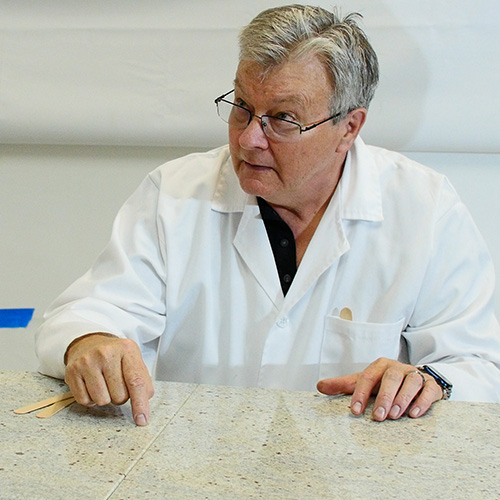
One of the biggest issues with coatings is how they trap dirt. To illustrate this, try a simple experiment:
- Take a polished marble tile and coat one half with a topical coating.
- Leave the other half polished naturally.
- Once it’s dry, sprinkle some talc powder (or any fine powder) over the whole tile.
- Then take a clean rag and wipe both sides.
What you’ll notice is that the coated side will still hold on to more powder, while the polished side wipes clean. This isn’t just a fun trick—it’s a clear demonstration that coatings grab and hold dirt.
Now imagine that same powder being tracked in from shoes, mixed with grit, sand, or whatever else comes in from outside. All that abrasive material gets stuck in the coating and starts grinding away at the surface. Over time, you don’t just have a dirty floor, you have a scratched and damaged coating that needs to be stripped and replaced.
Why Natural Polish Wins
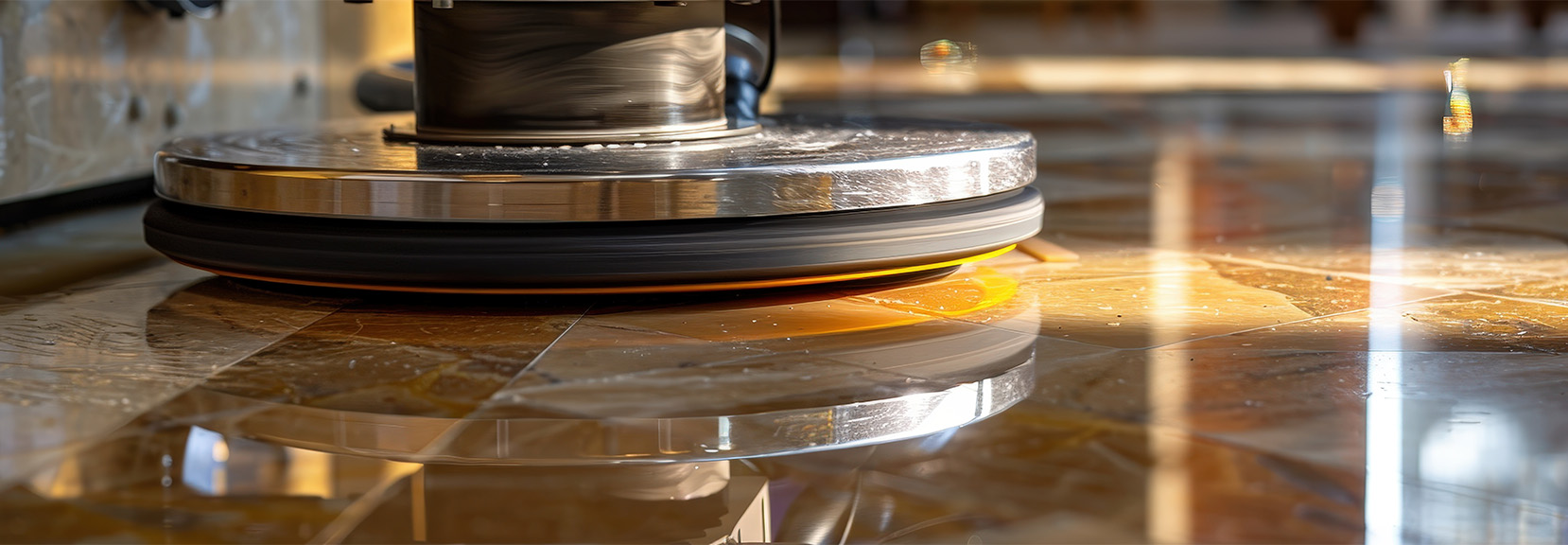
When you polish stone the right way, you’re not putting something on the stone, you’re working the surface until it reflects light naturally. A polished stone surface is harder, more durable, and easier to maintain. Dirt sits on top, not in a soft layer, which means mopping actually cleans it instead of just smearing grime around.
Yes, polishing stone takes skill, the right abrasives, and some elbow grease, but the results last longer, look better, and don’t create a maintenance nightmare for your client.
Final Thoughts for Restoration Pros
If your customer is asking about coatings, take a few minutes to explain why they aren’t a great long-term solution. Show them the talc test if you have to. Once they see how coatings hold dirt and wear down, they’ll understand why a true polish is worth the investment.
Your job as a restoration pro isn’t just to make a floor shiny, it’s to make it right. And in most cases, that means ditching the coating and bringing back the natural beauty of the stone.