Is Hot Water Better for Cleaning than Cold Water?
By Frederick M. Hueston
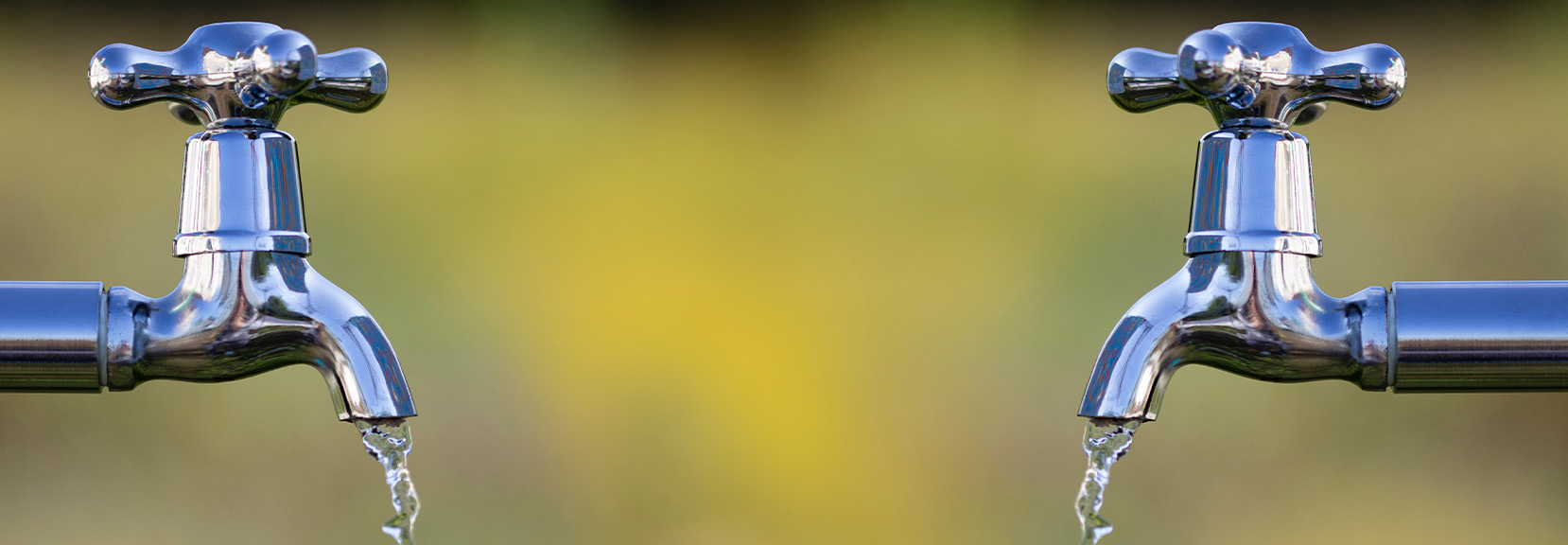
For stone restoration professionals, knowing how water temperature affects cleaners can make a big difference. One question that comes up often is whether hot water is better than cold water. The short answer is usually yes, but it depends on the situation. This guide explains how hot water interacts with cleaning agents, why it often works better, and when cold water might actually be the smarter choice.
The Science Behind Hot Water and Cleaning Agents
When water is heated, the molecules move faster. This added energy changes the way cleaning agents dissolve and react with dirt, oils, and other contaminants on stone surfaces. Faster molecules mean faster chemical reactions and better cleaning performance.
Key Advantages of Using Hot Water
Increased Solubility
- Cleaning agents dissolve more easily in hot water, which allows their active ingredients to break down dirt more effectively.
- Hot water softens oils and greases, making it easier for alkaline cleaners to emulsify and remove them.
Faster Chemical Reactions
- Chemical reactions speed up with heat. A 10°C (18°F) increase in temperature roughly doubles the rate of many reactions.
- Hot water helps cleaners penetrate porous stones more effectively, removing embedded contaminants.
Surface Tension Reduction
- Hot water has lower surface tension, so it wets stone surfaces more evenly.
- This helps loosen the bond between dirt and stone, making cleaning easier and more thorough.
How Hot Water Enhances Different Cleaning Agents
Alkaline Cleaners
Alkaline cleaners break down oils, fats, and proteins. In hot water, this process speeds up, allowing grease and oils to be removed faster and more completely.
Acidic Cleaners
Acidic cleaners dissolve mineral deposits, rust, and similar contaminants. Heat accelerates these reactions, so stains are removed more quickly.
Solvent-Based Cleaners
Solvents dissolve things like tar, adhesives, and paint. While they don’t rely on water, combining them with hot water often softens residues and makes the solvent more effective.
Practical Applications for Stone Restoration
- Oil and Grease Stains: Hot alkaline cleaners dissolve oils faster, helping them lift out of porous stones like limestone or sandstone.
- Stripping Sealers and Waxes: Hot water softens coatings, making stripping agents more effective and reducing labor.
- Deep Cleaning Grout Lines: Heat helps cleaning agents penetrate tiny crevices, loosening dirt and restoring grout.
When Cold Water Might Be Preferable
Not every job calls for hot water. Cold or lukewarm water may be better in these cases:
- Stones treated with delicate sealants or coatings that could be damaged by heat.
- Situations where contaminants might react poorly to heat, leading to discoloration or spreading.
Key Points to Remember
- Always use proper PPE like gloves and goggles when handling hot water and chemicals.
- Test in a small, hidden area first to be sure the stone won’t be damaged.
- Use professional-grade equipment designed for high temperatures, such as steam cleaners or hot water extractors.
Final Takeaway
In most cases, hot water gives cleaning agents a big boost. It speeds up reactions, dissolves contaminants more effectively, and makes the cleaning process more efficient. Still, every stone and situation is different, so evaluate carefully before choosing hot or cold water.