Key Pressure Washing Tips for Stone Restoration
By Frederick M. Hueston
Important Considerations for Stone Restoration Professionals
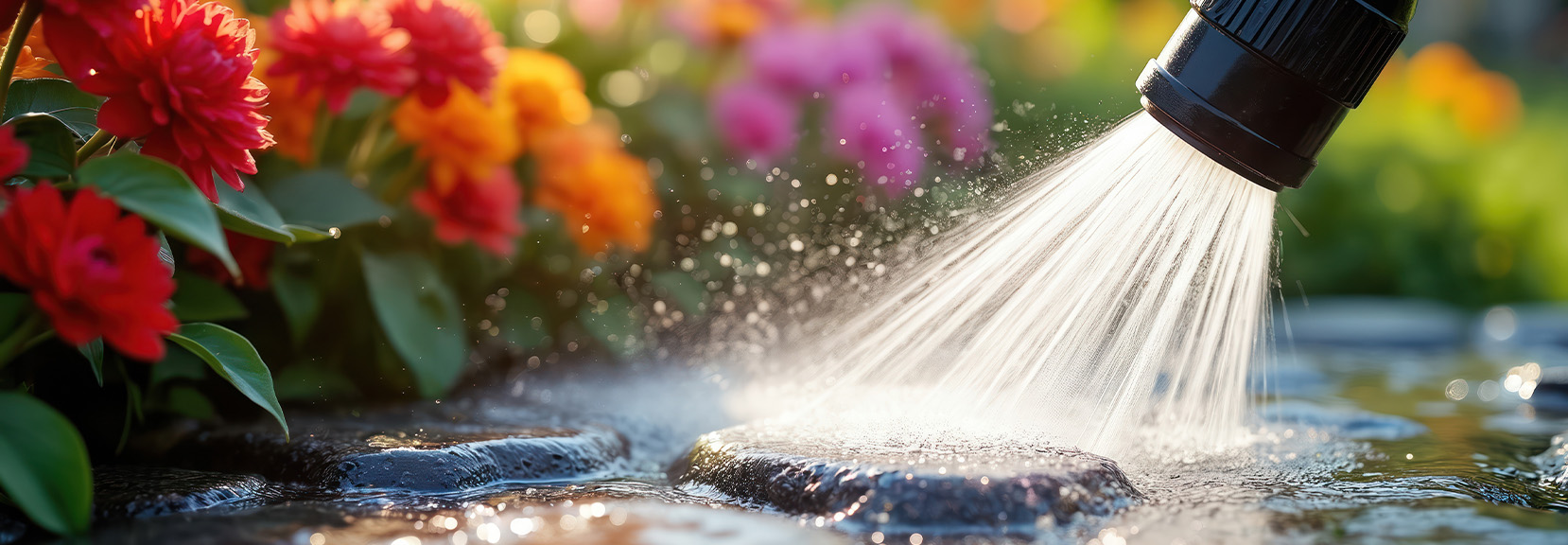
Pressure washing is a common tool in the maintenance and restoration of stone surfaces. However, it can be a double-edged sword. Done properly, it effectively removes dirt, algae, and other surface contaminants. Done incorrectly, it can cause irreversible damage to the stone, leaving etch marks, removing protective coatings, or even dislodging grout and stone fragments.
Here are some important things every stone restoration professional should keep in mind when using a pressure washer on stone:
Distance to the Stone Surface
One of the most critical factors is maintaining the correct distance between the nozzle and the stone. Holding the nozzle too close can concentrate the water’s force on a small area, leading to pitting, spalling, or even carving into softer stones. Generally, keep the nozzle at least 12 to 18 inches away from the surface. Start farther back and adjust as needed to avoid excessive pressure.
Avoid Zero-Degree Nozzles
A zero-degree nozzle produces a pinpoint, high-pressure stream that can easily gouge or etch the stone surface. Avoid using this nozzle under any circumstances on stone. It is simply too aggressive for most stone types, especially softer materials like limestone or sandstone.
Use a Wide Rotating Nozzle
A wide rotating nozzle (also called a turbo or rotary nozzle) is often a better choice for stone. It disperses the water over a wider area in a circular motion, reducing the risk of concentrated pressure damage. This nozzle helps lift dirt and debris while being less harsh on the stone itself.
Consider Other Nozzle Options
In addition to rotating nozzles, wide-angle fan nozzles (25-degree or 40-degree) are also suitable for stone surfaces. They spread the water out, lowering the impact pressure and reducing the risk of damage. Fan nozzles are excellent for rinsing and general cleaning when used at appropriate distances.
Understand the Stone Type
Before using any pressure washer, consider the type of stone you are working with. Harder stones like granite can tolerate slightly higher pressure, but softer stones like marble, limestone, and sandstone require extra caution. Always start at the lowest effective pressure and adjust gradually, ensuring you do not exceed what the stone can handle.
Other Precautions
Be mindful of the surrounding areas—grout lines, caulk joints, and adjacent surfaces can also be affected by pressure washing. Avoid directing the spray at sharp angles that could undermine the joints or cause water intrusion behind the stone.
Pressure washing can be a helpful tool in the stone restoration toolkit, but only when used wisely. Remember to:
- Keep a safe distance from the stone.
- Never use a zero-degree nozzle.
- Use a wide rotating nozzle or a fan nozzle for gentler cleaning.
- Adjust the pressure based on the stone type.
With these precautions in mind, you can clean and refresh stone surfaces without causing unintended damage, preserving both the beauty and the integrity of the stone.