Murphy’s Oil Soap on Stone: A Gentle Option
By Frederick M. Hueston
Murphy’s Oil Soap Isn’t Just for Wood: Using It on Stone Surfaces
When most people hear the name Murphy’s Oil Soap, they think about wood floors and furniture. It’s been marketed as the go-to cleaner for wood for decades. But here’s the thing: Murphy’s isn’t just for wood. In fact, it can work surprisingly well on certain stone surfaces if you know when and how to use it.
What’s in Murphy’s Oil Soap
Murphy’s Oil Soap is basically a mild vegetable oil soap. It’s biodegradable, free of harsh solvents, and has a neutral pH once it’s diluted properly. This is why it’s safe for wood and also why it can be used on many natural stone surfaces. The mildness of the product means it won’t etch calcium-based stones like marble or limestone, and it won’t strip sealers from granite, quartzite, or other siliceous stones.
Where It Works Well
Murphy’s can be a good choice for:
- Marble and limestone floors that just need a light, everyday cleaning without harsh chemicals.
- Travertine where you want to preserve a honed or tumbled finish and avoid acidic cleaners.
- Slate and other softer stones where you want to bring out a bit of the stone’s natural color and richness. The oil content can enhance the look slightly, similar to a very light enhancer.
- Soapstone countertops which already benefit from oiling as part of their maintenance routine.
How to Use It
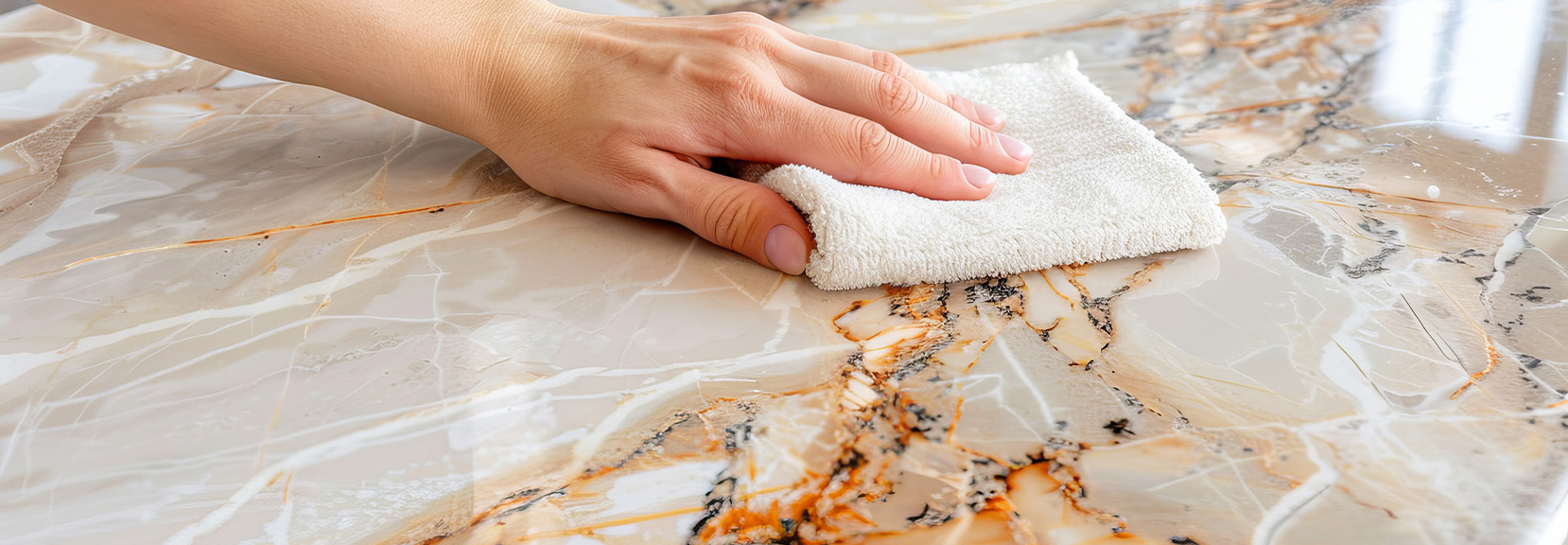
Like with any cleaner, dilution is key. Straight Murphy’s out of the bottle is too strong and can leave a residue. The trick is to mix it according to the label, usually about 1/4 cup per gallon of warm water. Then mop or wipe the surface, let it sit for a minute or two, and rinse well with clean water.
If you don’t rinse, you may end up with a slightly sticky film that attracts dirt. A quick rinse or a damp mop pass afterward keeps the surface clean and streak-free.
When Not to Use It
Murphy’s Oil Soap isn’t a cure-all. Skip it if:
- You’re working on a polished granite or quartzite that tends to show streaks.
- The surface is coated with an acrylic or wax finish, as the oil can cause hazing or clouding.
- You’re trying to deep-clean a heavily soiled floor — you’ll want an alkaline stone cleaner for that job.
Pro Tip
Some stone pros use Murphy’s as a maintenance cleaner between more aggressive cleanings. It can give a slightly richer look to honed surfaces and keep them from looking chalky. Just don’t overdo it — too much oil buildup can make the floor slippery or attract more soil.
Final Thought
Murphy’s Oil Soap is not just for wood. With the right dilution and a little common sense, it can be a safe, gentle cleaner for marble, travertine, slate, and soapstone. Think of it as a mild maintenance product for times when you just want to freshen up a stone surface without breaking out the heavy-duty chemicals.