Question: Are Thermal Finishes Prone to Spalling?
By Frederick M. Hueston
What Every Stone Pro Should Know About Spalling
If you’ve ever restored a granite pool deck or a flamed limestone patio, you’ve probably asked yourself—or been asked by a client, “Why is this stuff popping and flaking?”
You’re not alone. Spalling is a real concern, and thermal finishes often get blamed. But are they actually more susceptible?
Short answer: yes, sometimes. Like most things in stone restoration, it depends. Let’s take a closer look.
What’s a Thermal Finish, Anyway?
A thermal finish is created by exposing the stone (typically granite, occasionally slate or limestone) to a high-temperature flame. The rapid heat shock causes the surface to burst and flake, resulting in a rough, textured appearance.
It offers excellent slip resistance, making it ideal for outdoor walkways, pool surrounds, and patios. However, the process can introduce surface fractures—and that’s where the risk begins.
What Causes Spalling?
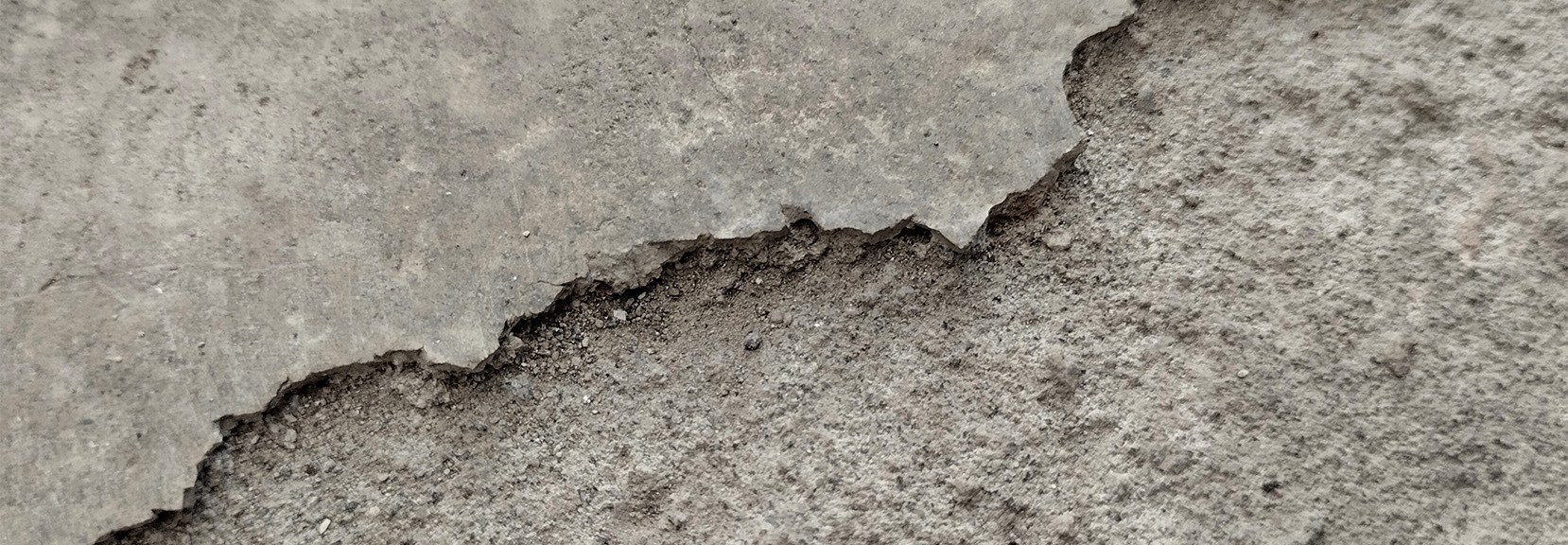
Spalling occurs when thin layers of stone start breaking off. It may begin as minor chips and worsen over time. Common causes include:
- Moisture: Water enters the stone, freezes, and expands.
- De-icing salts: These accelerate stone deterioration.
- Wear and tear: Foot traffic and equipment wear down the surface.
- Chemical or mineral breakdown: Weakens stone internally.
When thermal finishes contain pre-existing micro-fractures, spalling becomes more likely.
Are Thermal Finishes Really More Vulnerable?
Yes—primarily due to the process and placement.
Micro-Fractures
Flaming creates thousands of tiny cracks invisible to the eye. These fissures trap water, which expands during freezing conditions.
Moisture Holding
The rough surface retains moisture, dirt, and salts more easily than smoother finishes.
Outdoor Exposure
Thermal finishes are usually used in exterior areas, increasing exposure to freeze-thaw cycles, UV, and water accumulation.
How Do Other Finishes Compare?
- Polished: Dense and smooth; water can’t easily penetrate.
- Honed: Matte and smooth; less porous than thermal.
- Sandblasted/Bush-hammered: May present similar risks depending on aggressiveness.
How to Reduce Spalling Risk
Stone pros can help minimize spalling risk with these steps:
- Pick the Right Stone
Use dense, low-porosity stones that can withstand thermal finishing.
- Ensure Proper Drainage
Poor runoff causes water pooling—an open invitation to spalling.
- Seal If Appropriate
Use breathable impregnating sealers in freeze-thaw climates.
- Routine Maintenance
Clean regularly. Remove dirt and de-icing salt promptly. Address early signs of flaking before it spreads.
Final Thoughts
Thermal finishes are attractive and functional but come with vulnerabilities. Understanding what causes spalling—and how to prevent it—can save your client’s investment and your reputation.
Always evaluate the site conditions before restoring thermal surfaces. In stone restoration, knowledge truly is power.