Should You Pre-Seal Travertine Before Applying Fillers?
By Frederick M. Hueston
The Pre-Sealing Question: If you’ve worked with travertine, you’ve probably asked yourself:
“Should I pre-seal the stone before applying fillers?”
While it might seem like an extra step, pre-sealing has its pros—and some pretty big cons. Let’s break it down so you can make the right call on your next job.
Pros of Pre-Sealing Travertine
- Stain Prevention
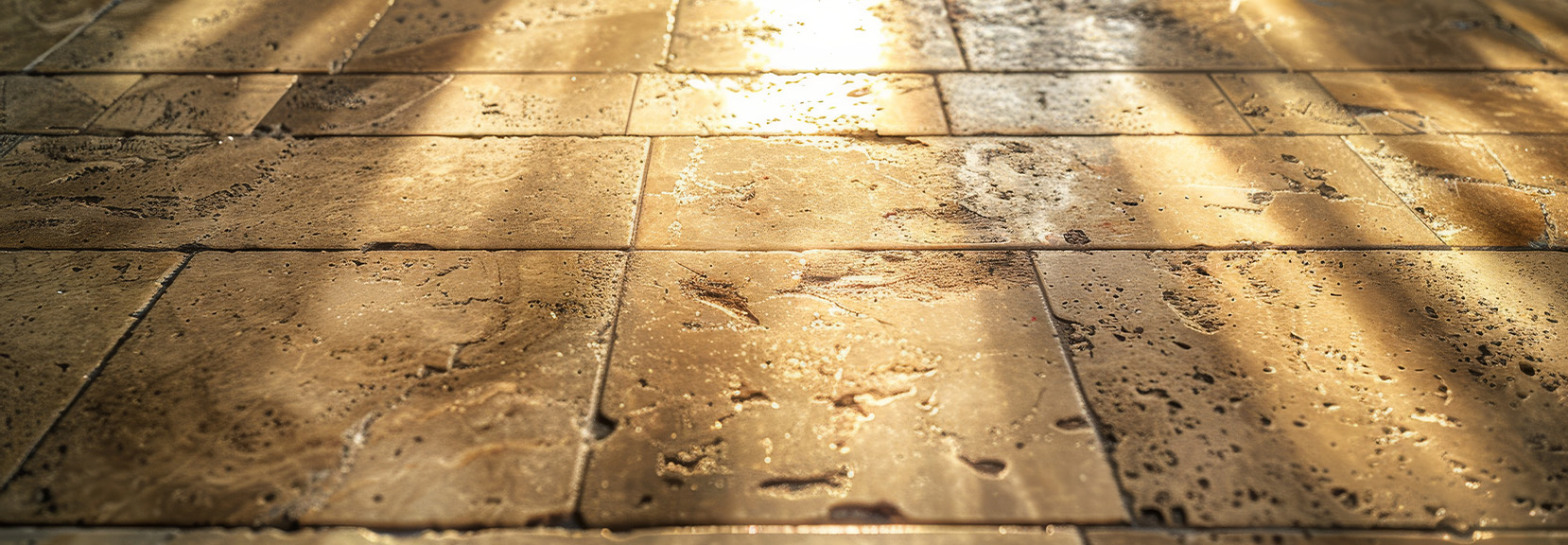
Travertine is highly porous, especially in its natural, unfilled state. Pre-sealing helps block fillers or grouts from bleeding into the surface and leaving stains—particularly helpful with light-colored travertine, where every discoloration is noticeable. - Easier Cleanup
Filler residue can be tough to remove once it gets trapped in the stone’s pits and voids. A quality penetrating sealer acts like a shield, preventing filler from bonding in areas you don’t want it. - Added Moisture Protection
In moisture-prone environments—like showers, wet bars, or pool surrounds—pre-sealing offers extra insurance against water intrusion, especially in those open holes before they’re filled.
Cons of Pre-Sealing Travertine
- Bonding Problems
This is the big one. Some fillers, especially Portland-based or epoxy fillers—don’t bond well to sealed surfaces. You might get premature pop-outs or failed repairs. Always test your filler-sealer combo first. - Extra Time and Cost
Pre-sealing adds an extra step, which means more labor, more materials, and higher costs. On large jobs or in low-risk areas, this step may not be necessary. - Moisture Trapping
If the stone isn’t completely dry before sealing, you risk trapping moisture beneath the surface. This can lead to staining, mold, or efflorescence—none of which you want to deal with after the job’s done.
Best Practices for Pre-Sealing Travertine
- Always Test First
Try your chosen filler and sealer on a sample piece or a hidden section. Watch how they interact. Labels don’t always tell the full story, and some products simply don’t play nicely together. - Use a Penetrating Sealer
Avoid sealers that form a film or coating. Penetrating (impregnating) sealers provide surface protection while still allowing fillers to bond inside the voids. - Dry Means Dry
Ensure the stone is completely dry before applying a sealer. Use heat, fans, or time—whatever it takes. Sealing damp travertine is a surefire recipe for future callbacks.
Final Thoughts
Pre-sealing travertine can either save your job—or sabotage it. It all depends on your filler, sealer, and job-site conditions.
When in doubt:
- Test your materials
- Choose the right products
- Don’t cut corners
The goal is always the same: a clean, stable, long-lasting fill that performs well and looks great.
Knowing when (and when not) to pre-seal is just another valuable skill in your restoration toolbox.
Fred Hueston
Frederick M. Hueston is an internationally recognized stone and tile consultant, historic property preservation expert, and failure investigator. Fred is a highly accomplished and well-respected scientist, with a diverse educational background and extensive expertise in the stone and tile industry. Born and raised in a family immersed in the stone and tile business, Fred developed an early passion for the field, which ultimately shaped his career and accomplishments.
Stone and Tile Consultant
Historic Property Preservation Expert
Stone Failure Investigator
Stone Forensic Expert